
How Handmade Cotton Block Printed Rugs Are Manufactured: From Cotton Yarn to Finished Masterpiece
There’s something special about a handmade rug. Maybe it’s the subtle imperfections that reveal a human touch, or perhaps it’s the story woven into every thread. Over the years, I’ve had the opportunity to learn about traditional textile crafts, and one process that never fails to fascinate me is the creation of handmade cotton block printed rugs.
At first glance, a beautifully patterned rug may seem like a simple home accessory. In reality, it represents hours of skilled craftsmanship, artistic vision, and generations of knowledge. Let’s take a closer look at the cotton rug manufacturing process and discover how cotton yarn transforms into a finished masterpiece.
The Journey Begins with Cotton Yarn
Every great rug starts with quality raw materials. For handmade cotton rugs, the process begins with carefully selected cotton fibers that are spun into yarn.
Cotton is a popular choice because it is:
- Soft underfoot
- Durable for everyday use
- Breathable and lightweight
- Easy to clean and maintain
The yarn is cleaned, spun, and prepared before moving into the weaving stage. The quality of the yarn plays a significant role in the final texture and durability of the rug.
Handmade Cotton Rugs: Weaving the Foundation
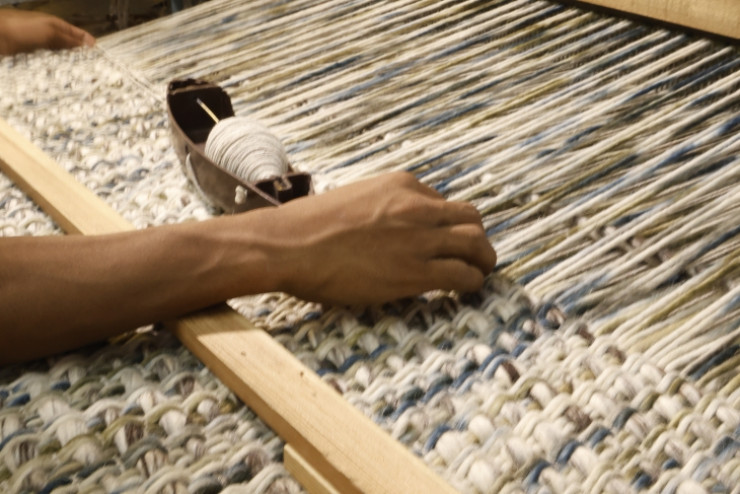
Before any printing takes place, artisans must create the rug itself.
Using traditional looms, skilled weavers carefully interlace cotton yarns to form a strong and even base. Depending on the design, the weave may be flat, textured, or slightly raised.
I’ve noticed that many people assume all rugs are machine-made today. The reality is quite different. In traditional rug manufacturing, weaving remains one of the most labor-intensive stages, requiring patience and precision.
Whether the finished product becomes a small accent piece, a living room rug, or large 8 x 10 area rugs, the foundation must be strong enough to withstand years of use.
The Art of Block Printed Rugs
Once the woven rug is complete, the creative process truly begins.
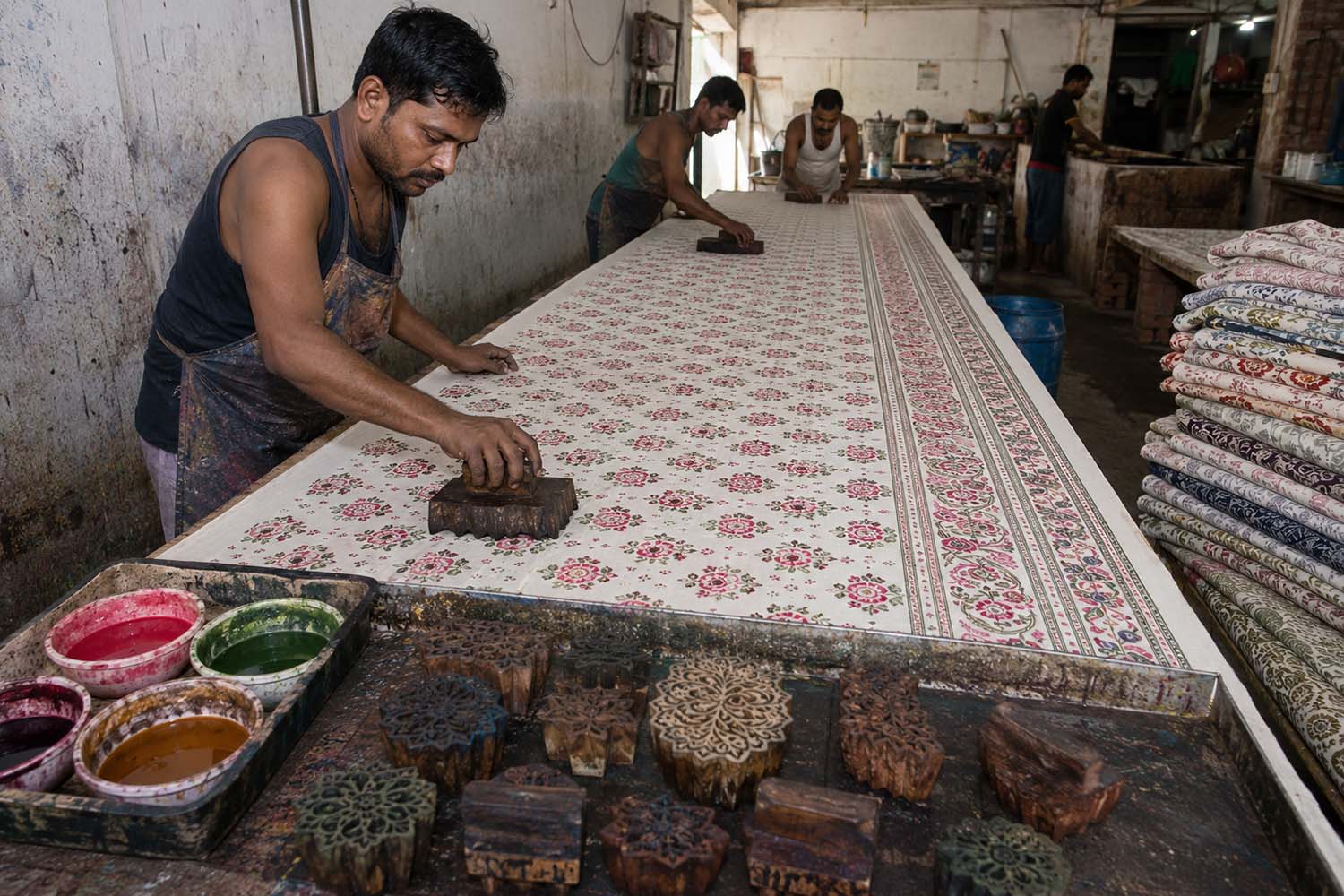
Block printing is an ancient technique that involves hand-carved wooden blocks. Each block contains a specific pattern, motif, or design element. Artisans dip these blocks into dye and carefully stamp them onto the rug surface.
This process requires remarkable accuracy.
A single design may involve multiple blocks and several colors. Every layer must align perfectly with the previous one. Even experienced craftsmen can spend hours printing a single carpet-sized piece.
Why Hand Block Printing Is Unique
Unlike digital or machine printing, hand block printing creates subtle variations that make each rug one of a kind.
Characteristics often include:
- Slight variations in print placement
- Rich, handcrafted texture
- Distinct artisan character
- Traditional patterns blended with modern aesthetics
These details are exactly what make handmade rugs so appealing to homeowners and interior designers alike.
Drying, Washing, and Finishing
After printing, the rugs are left to dry naturally. Depending on the climate and dye type, this process can take several days.
The rug then undergoes washing to remove excess dye and soften the fabric. This step helps ensure color stability while enhancing comfort underfoot.
Next comes finishing, which may include:
- Trimming loose threads
- Adding tassels or fringes
- Quality inspections
- Final cleaning and pressing
Only after passing inspection is the rug ready for homes around the world.
How Handmade Rugs Fit Modern Interiors
One reason block printed rugs remain popular today is their versatility.
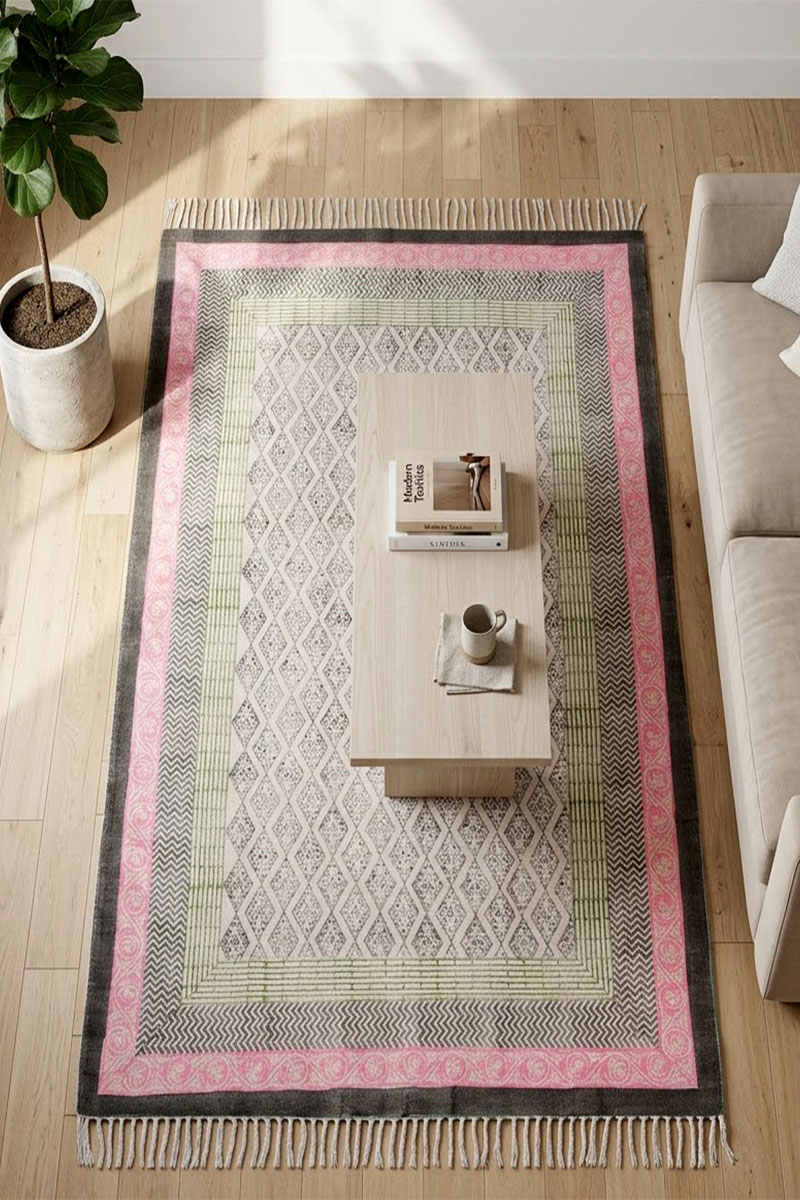
Traditional craftsmanship now blends beautifully with contemporary design trends. Whether you’re decorating with a modern rug aesthetic or creating a cozy farmhouse-inspired space, handmade cotton pieces offer flexibility and charm.
They are commonly used as:
- Area Rugs in bedrooms
- Living room rug centerpieces
- Kitchen accent rugs
- Entryway decor
- Custom rugs for unique interior layouts
Popular sizes such as 4 x 6 area rugs and 8 x 10 area rugs allow homeowners to adapt these pieces to almost any room.
Why Eco-Friendly Rugs Are Gaining Attention
Consumers today are paying closer attention to sustainability, and that’s where handmade cotton rugs have a significant advantage.
Many traditional workshops use:
- Natural fibers
- Low-impact production methods
- Hand-operated equipment
- Minimal energy consumption
Compared to large-scale industrial manufacturing, these eco-friendly rugs often leave a smaller environmental footprint while supporting artisan communities.
Understanding the Cotton Rug Manufacturing Process
The complete cotton rug manufacturing process can be summarized in a few key stages:
- Cotton selection and yarn spinning
- Hand weaving of the rug base
- Block carving and design preparation
- Hand block printing
- Drying and color setting
- Washing and finishing
- Final quality inspection
Each stage contributes to the beauty and durability of the finished product.
Final Thoughts
The next time you see a handcrafted cotton rug, take a moment to appreciate the journey behind it. What appears to be a simple decorative piece is actually the result of countless skilled hands working together, from spinning cotton yarn and weaving the base to carefully stamping every pattern by hand.
In a world increasingly dominated by mass production, handmade cotton block printed rugs remind us that craftsmanship still matters. Their beauty lies not only in their designs but also in the human stories woven into every fiber. And perhaps that’s what makes them true masterpieces.